Warning: This travel story contains excessive amounts of shaggy manes, fluffy forelocks, tiny hooves and irresistible four-legged charm. You may experience an uncontrollable urge to book a trip and ride off into the sunset.
Move over, cat videos. There's a new contender for the internet's cutest animal obsession. And this one comes with a passport.
Ponies have a special talent for stealing hearts. Maybe it's their oversized personalities packed into undersized bodies. Or their fantastic bad hair days.
But why settle for pony videos when you can travel to meet the real thing?
Shetland Islands, Scotland: The Original Pocket Ponies
These pint-sized powerhouses have called Shetland home for more than 2,000 years. Their tiny stature, thick coats and disproportionate strength helped them survive the islands' harsh climate and made them indispensable to generations of islanders, hauling peat for fuel and seaweed to fertilize fields. In the 1800s, their small size and strength made them sought-after workers south on the mainland in Britain's coal mines, where they could navigate tunnels too small for larger horses.
Today, their working days are mostly behind them, but their magnificent manes and larger-than-life personalities still steal the show grazing in dramatic scenery in their native isles and tossing their manes in the North Atlantic winds.
It’s a highlight of visiting Shetland, and my own top goal on a Seabourn cruise that called at Lerwick – and as you can see in the video above: success!
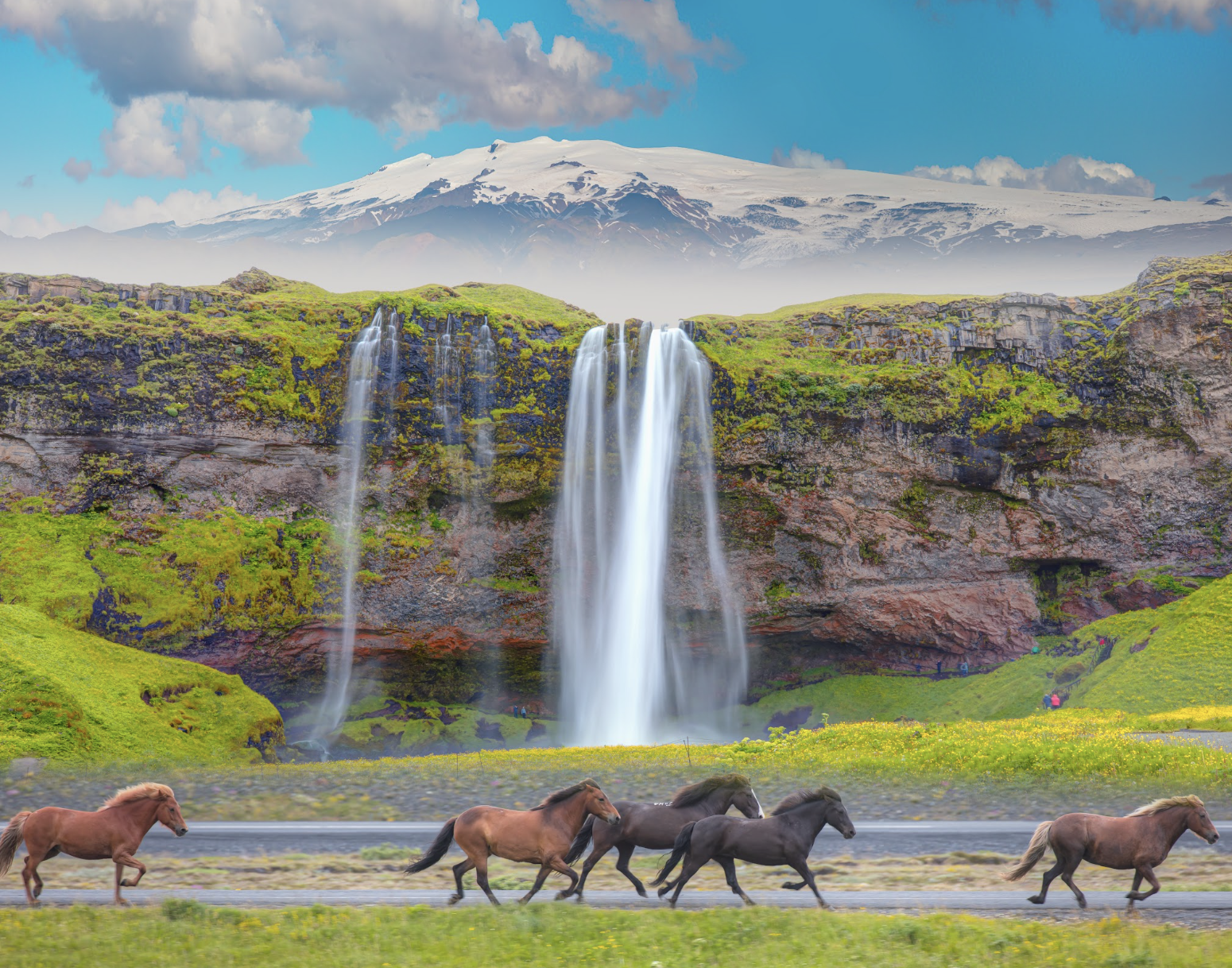
Iceland: The Vikings of the Horse World
Technically, they're horses, not ponies. But Icelandic horses are pony-sized, so we're granting them honorary membership in this cute club.
With flowing manes, thick coats and fabulous windswept hair, Icelandic horses are among the country's most photogenic residents and the equine version of Vikings!
Their ancestors arrived aboard ships with Norse settlers more than 1,000 years ago. Isolated ever since, they've developed into a remarkably pure breed. Iceland takes protecting them so seriously that horses cannot be imported, and any Icelandic horse that leaves the country -even just to compete - can never return.
Their other claim to fame? Five gears instead of the usual three! In addition to walking, trotting and cantering, many Icelandic horses have two extra gaits. The tölt is an exceptionally smooth, four-beat gait that lets riders glide along with hardly a bounce. It's so steady that riders can famously carry a full glass of beer without spilling a drop! The fifth gait, flying pace, is a spectacular sprint reaching nearly 30 mph.
Book a guided ride across lava fields or black-sand beaches. It's a chance to travel like a Viking on land.
Newfoundland, Canada: The Comeback Kids
Newfoundland has puffins, whales, icebergs and some of Canada's friendliest people. But here's another reason to visit: its very own native pony breed!
The Newfoundland Pony is a distinct, officially recognized breed that developed over centuries on the island. Its ancestors arrived with European settlers, including hardy British and Irish ponies. Geographic isolation and generations of hauling wood, working farms and navigating rugged terrain helped shape these sturdy little survivors.
They're compact, shaggy and famously resilient, with thick coats, strong hooves and faces made for melting hearts.
Once numbering in the thousands, Newfoundland ponies nearly disappeared as machines replaced working animals. Three decades ago, they were designated a heritage animal, helping protect this endangered breed.
Arrange a visit to a participating farm or pony sanctuary, and your cute-animal encounter can also support an important conservation success story in the making.
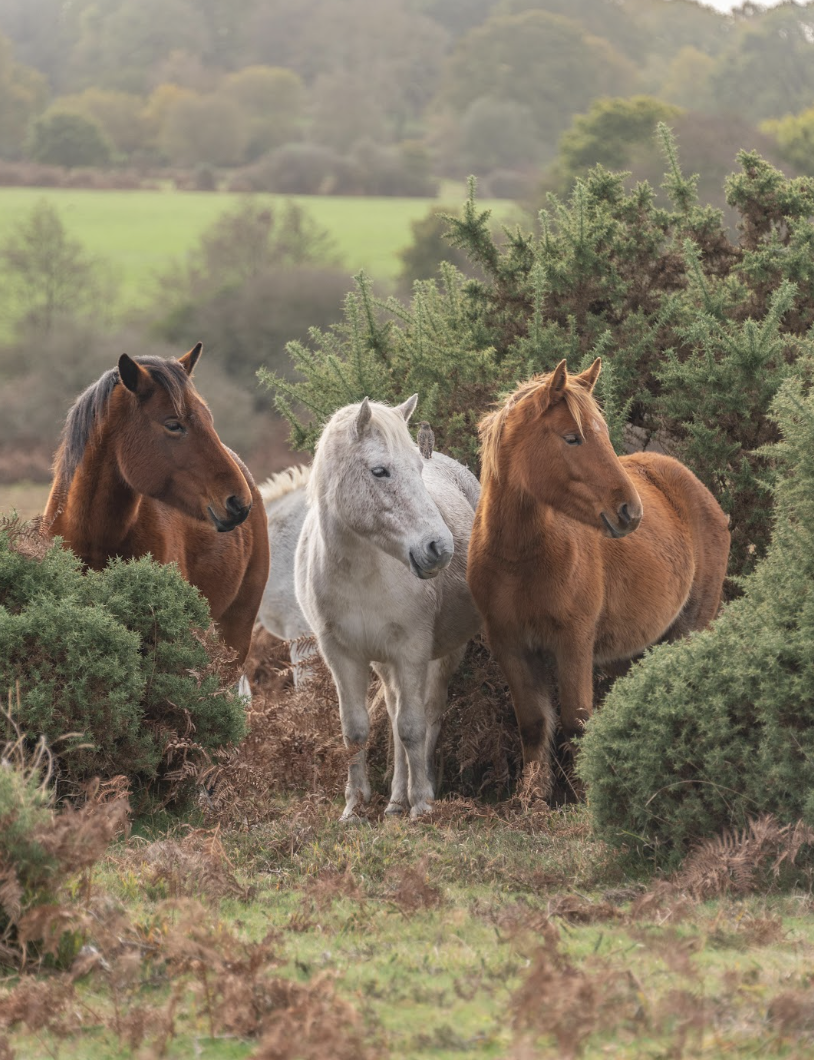
New Forest, England: Ponies Have the Right of Way
Imagine driving through an English village and finding a pony casually strolling down the street as though it owns the place.
Which, in the New Forest National Park, it practically does.
New Forest ponies are their own ancient native English breed, with ancestors roaming this landscape long before William the Conqueror declared it a royal hunting forest in 1079. Today, thousands of these free-roaming ponies wander through ancient woodlands, heathlands and villages, where traffic regularly stops for four-legged pedestrians.
Visit Brockenhurst or Burley for pony-spotting, especially in spring when adorable, wobbly-legged foals arrive.
These aren't petting-zoo ponies, though. Admire, photograph, but don't feed or touch these wild creatures.
Exmoor, England: The Teddy Bears of the Moorlands
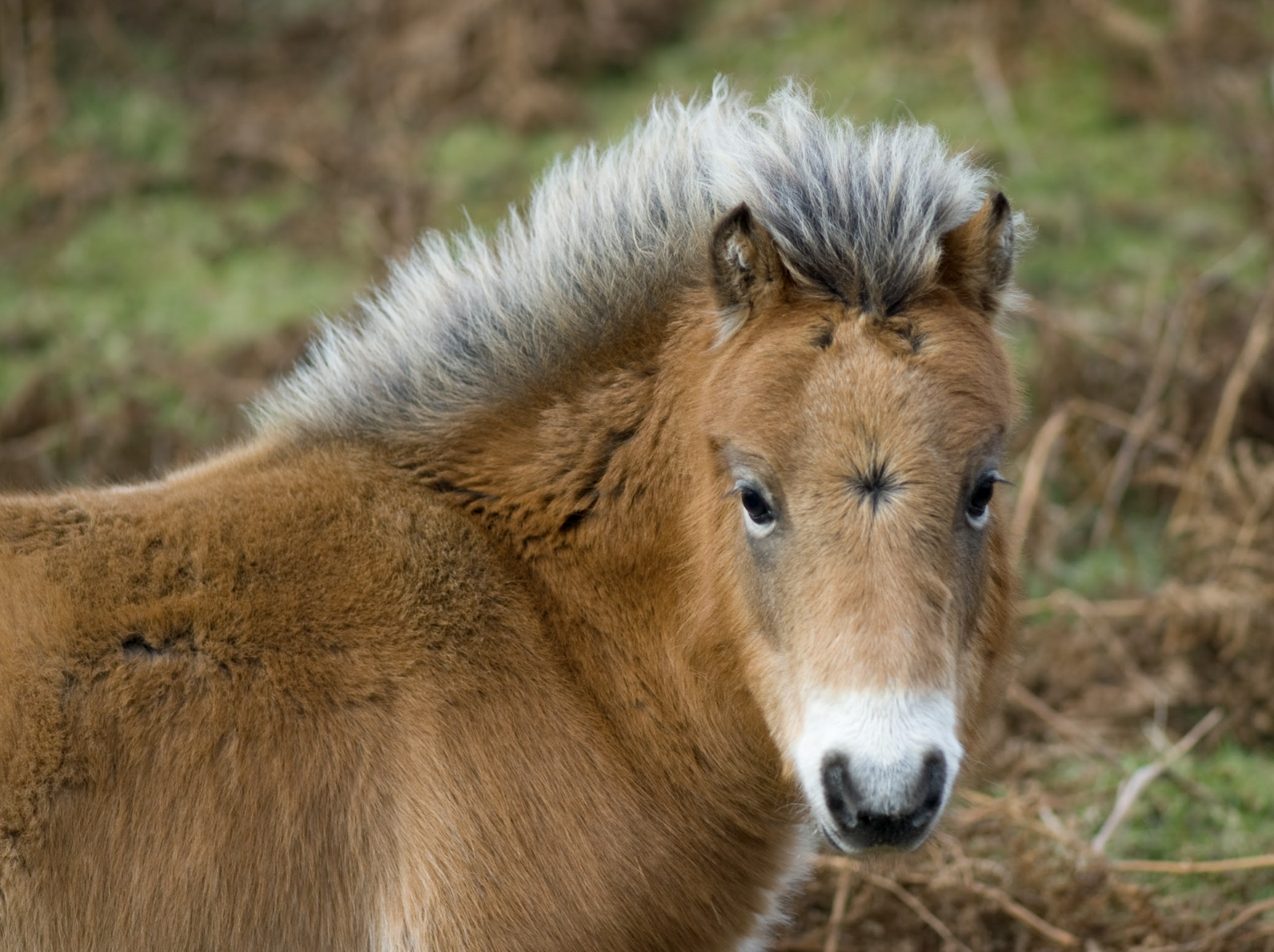
With brown coats, pale muzzles and distinctive light-colored rings around their eyes, Exmoor ponies look like somebody crossed a horse with a teddy bear.
Considered one of Britain's oldest native pony breeds, these hardy little animals have roamed the moorlands of southwest England for centuries, developing thick, weatherproof coats and distinctive hooded eyes to cope with the region's famously wet and windy weather.
Today, Exmoor ponies still roam the spectacular moorlands, where spring brings impossibly cute foals.
Explore the open countryside for sightings, or visit the Exmoor Pony Centre near Dulverton for an organized encounter with these charismatic creatures.
All rights reserved. You are welcome to share this material from this page, but it may not be copied, re-published, broadcast, rewritten or redistributed.